
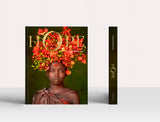
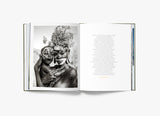




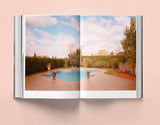


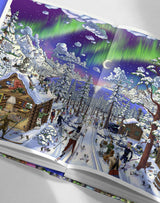

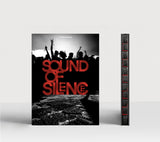
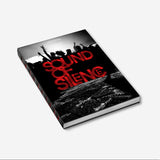
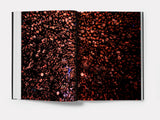
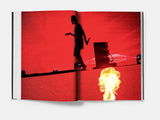
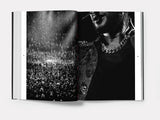


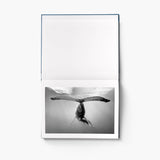
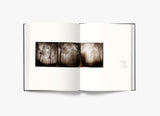

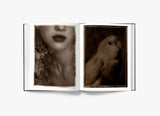
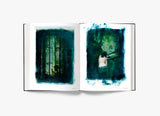
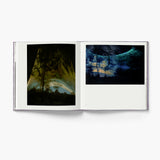
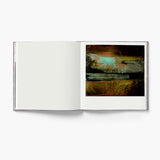


→ A Celebration of Anatolia’s Heritage, Spirit, and Timeless Beauty.


Edition
Unsigned
Signed
Edition
70,00 €
85,00 €
-18%
Size: 240x320 (portrait)
Binding: Case bound Cover: CMYK to book cloth Cover finished with 1 colour foil to front, back and spine
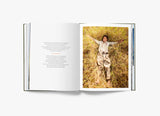
Endpapers: Guarrocasas Geltex Terracotta Liso Text sections: Black ink only on 24 pages of Arena Rough Ivory 140gsm.
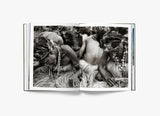
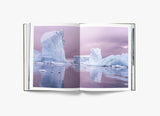
Printing: CMYK to 192 pages of Galerie Art Plus Silk 170gsm. Red ribbons and H&T bands
Foreword by Tony Stromberg


"“As an equine photographer, I have travelled the world capturing the grace of horses. Yet no place has left its mark on me like the windswept steppes of Central Anatolia, nor any horse moved me like the Yılkı. Their story—born from centuries of use, abandonment, and survival—demanded to be told.
Nur Tucker


→ A bit of history
Nur Tucker
